Clear Warning Signs Your Old Unit Is Failing
If your water heater is acting up, it may be time for a new water heater installation. Common signs include no hot water, rusty water, strange noises, leaks, and rising energy bills. When these problems keep happening, repairs may not be enough. Replacing the unit can save money and stress in the long run.
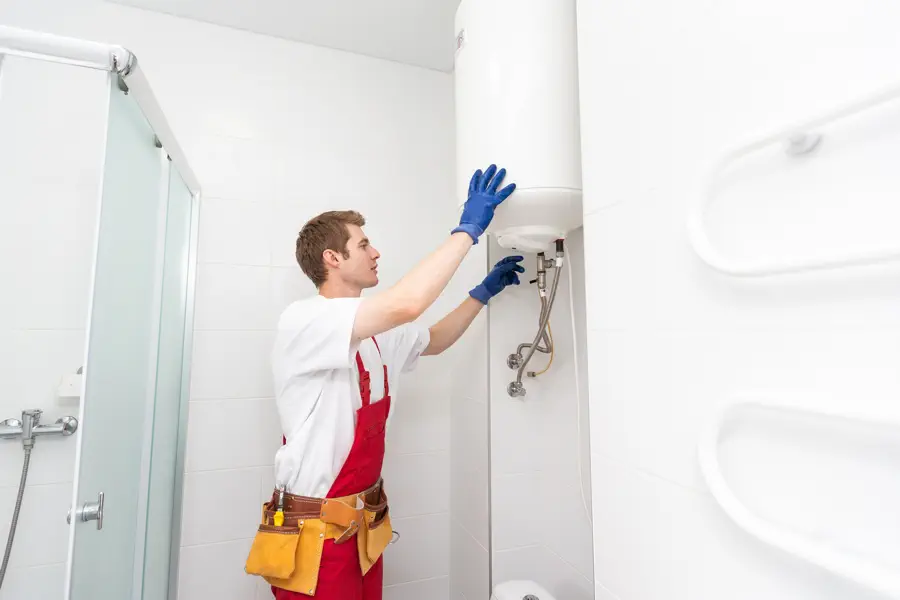
Common Symptoms of a Failing Water Heater
Your water heater often gives warning signs before it stops working. Pay attention to these red flags:
- Water turns cold too fast
- Hot water runs out quicker than before
- Rust-colored water from hot taps
- Loud popping or banging sounds
- Water pooling around the tank
- Higher gas or electric bills
If you notice one problem once, it may be minor. If you notice several issues at the same time, the tank could be near the end of its life.
Likely Causes Behind These Issues
Most traditional water heaters last 8 to 12 years. As they age, parts begin to wear out. Sediment also builds up inside the tank. This hard layer forms from minerals in the water. It makes the system work harder to heat water.
Rusty water often means the inside of the tank is corroding. Deep rumbling sounds usually come from hardened sediment at the bottom. Leaks can form when the metal tank weakens and cracks.
In some cases, a small part like a heating element or thermostat fails. Other times, the full system is simply worn out. That is when a water heater installation becomes the smarter option.
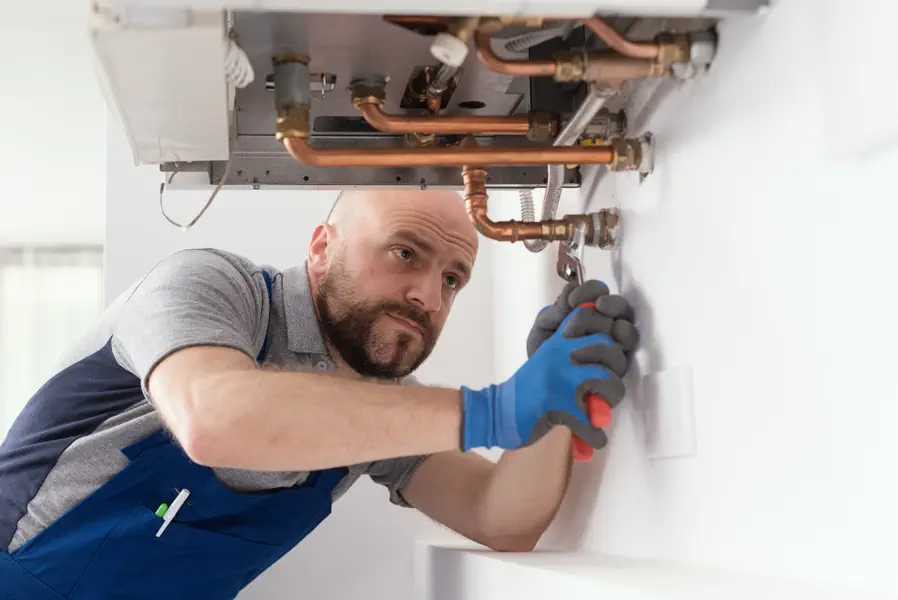
What to Check First
Before you panic, check a few simple things:
- Make sure the thermostat is set correctly
- Check if the circuit breaker has tripped
- Look for loose gas or power connections
- Inspect the drain valve for small drips
If the unit is under 5 years old, a repair may fix the issue. If the system is over 10 years old and giving trouble, replacement is often the better move.
Safe Fixes Vs Professional-Level Repairs
Some minor issues are easy to fix. Flushing sediment from the tank, replacing a thermostat, or relighting a pilot light are common service tasks. These are part of regular plumbing system maintenance.
But major problems need professional attention. A cracked tank cannot be repaired. Large leaks, gas line problems, or wiring failures require licensed work. Trying to patch a rusted tank can lead to flooding and water damage.
If repair costs are adding up, compare that total to the price of a full water heater installation. A new system can lower energy use and provide steady hot water every day.
How to Prevent Early Replacement
While no water heater lasts forever, good care helps it last longer. Follow these tips:
- Flush the tank once a year
- Inspect the anode rod every few years
- Keep the area around the tank dry
- Schedule routine plumbing inspections
Regular maintenance removes sediment and slows rust. It also helps catch small issues before they grow into major problems.
If your system is already old, maintenance may not reverse damage. It can only slow it down. When rust spreads inside the tank, replacement is usually the only lasting fix.
When It Is Time to Schedule a Replacement
You should plan for a new water heater installation if:
- Your unit is over 10 to 12 years old
- Repair costs are more than half the price of replacement
- You see ongoing leaks from the tank body
- Your household needs more hot water than the current unit can handle
Upgrading can also improve comfort. Newer models heat faster and use less energy. Some homeowners switch to tankless systems for endless hot water, while others choose larger tanks for growing families.
Do not wait until the tank bursts. Sudden failures can cause flooding and damage floors, walls, and stored items. Planning ahead gives you time to choose the right unit for your home.
Schedule Expert Help Before a Breakdown Happens
If you are in Martinsburg, WV and your system is showing signs of failure, we can help you decide the next step. At Barr Plumbing LLC, we inspect your current unit, explain your options, and handle your water heater installation safely and efficiently. Call us at (304) 754-8127 to set up an appointment and avoid an unexpected loss of hot water.