The Most Common Reasons Your Hot Water Is Delayed
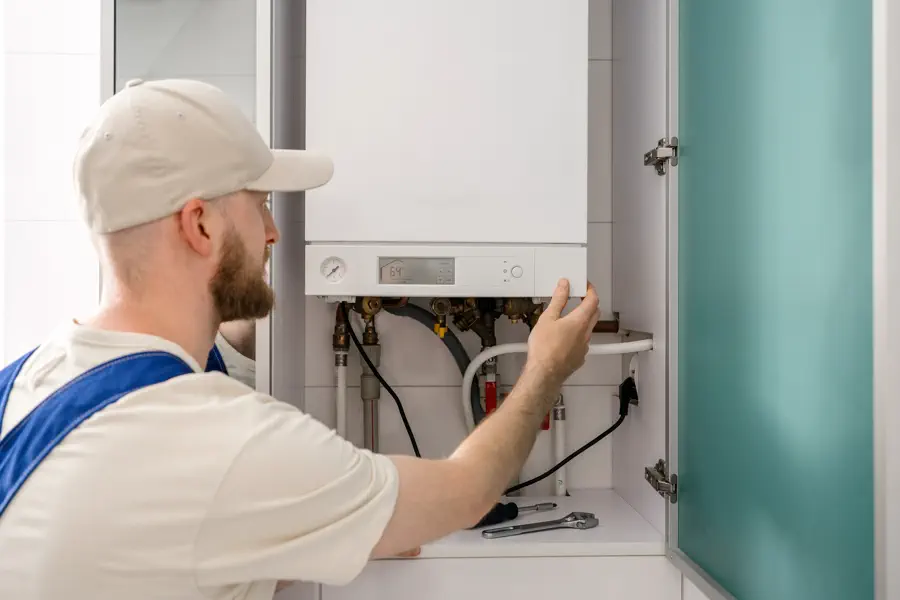
If your water takes too long to heat, the problem is usually with your water heater’s size, age, heating element, or sediment buildup inside the tank. In some homes, it can also be caused by long pipe runs or a failing thermostat. The good news is that most of these issues can be identified quickly and fixed with the right water heater repair.
Common Symptoms of Slow Hot Water
Slow heating does not always mean the unit is broken. But there are clear signs that something is wrong. You may notice:
- Water takes several minutes to get warm
- Hot water runs out very fast
- Water never reaches the right temperature
- Strange popping or rumbling noises
- Higher energy bills without more usage
If one or more of these sound familiar, your system likely needs attention.
Likely Causes of the Problem
There are a few main reasons water heaters slow down over time.
Sediment buildup: Minerals in water settle at the bottom of the tank. Over time, this layer hardens. The burner or heating element must work harder to heat through that buildup.
Failing heating element: Electric units have one or two heating elements. If one burns out, the water heats much slower.
Thermostat issues: If the thermostat is not working right, it may not signal the heater to fully heat the water.
Undersized unit: If your household has grown, your tank may simply be too small for demand.
Old equipment: Most water heaters last 8 to 12 years. Older systems lose efficiency and slow down.
What to Check First
Before calling for water heater repair, check a few simple things:
- Turn up the thermostat slightly (but stay below 120 degrees for safety).
- Reset the breaker if you have an electric unit.
- Listen for unusual noises from the tank.
- Note how long it takes for hot water to reach each faucet.
If small adjustments do not help, the issue may be inside the tank.
Safe Fixes Vs. Professional Repairs
Some minor fixes are safe for homeowners. For example, adjusting the thermostat or checking the breaker panel is simple. Flushing a tank can help remove sediment, but it must be done correctly to avoid damage.
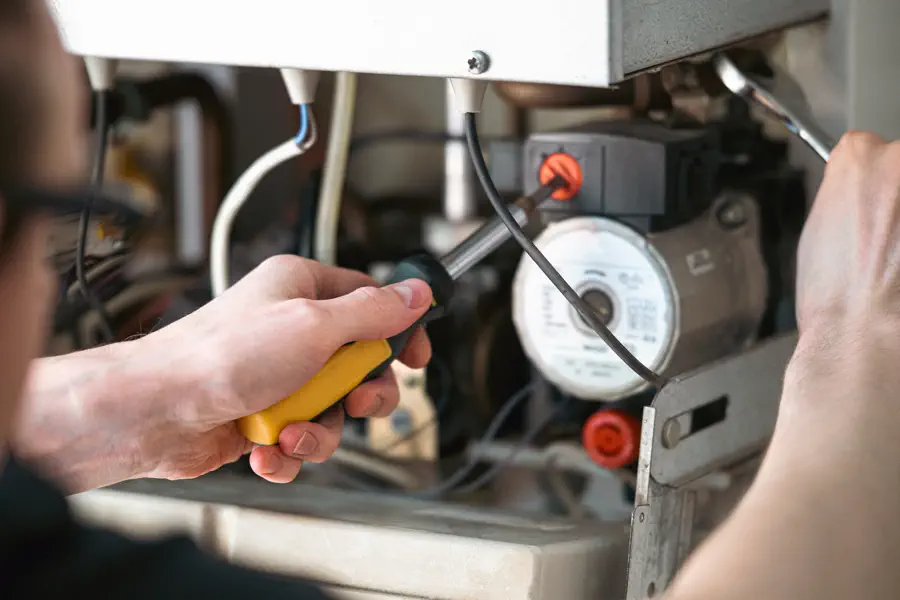
More advanced repairs should be handled by a trained technician. These include:
- Replacing heating elements
- Repairing gas burners
- Replacing thermostats
- Fixing internal wiring
- Addressing gas line concerns
Attempting complex repairs without training can lead to leaks, electrical problems, or safety risks. A professional can quickly diagnose what is slowing the heating process.
How to Prevent Slow Heating in the Future
Regular maintenance helps your system heat water faster and last longer.
Here are simple prevention tips:
- Flush the tank once a year to remove sediment
- Inspect the anode rod every few years
- Keep the thermostat at a safe, steady setting
- Schedule routine inspections
- Replace old units before they fully fail
These steps reduce wear on internal parts and keep your hot water consistent.
When to Call for Expert Help
If your water heater is over 10 years old, makes loud noises, leaks, or still heats slowly after basic checks, it is time for professional service. Delaying repairs can lead to total failure or even water damage. Fast service often restores full heating performance and improves energy efficiency.
Get Reliable Help for Slow Hot Water
If you are dealing with slow hot water in Martinsburg, WV, help is available. Our team at Barr Plumbing LLC handles expert water heater repair for homes of all sizes. We diagnose the issue, explain the fix in simple terms, and restore your hot water quickly. Call (304) 754-8127 today to schedule service and let us get your hot water flowing the way it should.